In the heart of Southeast Asia, where rainforest meets sea and ancient traditions blend with modern currents, lies Malaysia — a country shaped by contrasts, forming a rich and vibrant whole. Here, many worlds exist side by side, and it is precisely this diversity that makes Malaysia so unique.
It’s been more than 30 years since I was last here, and one thing is clear: the gap between the traditional and the modern has only grown wider.
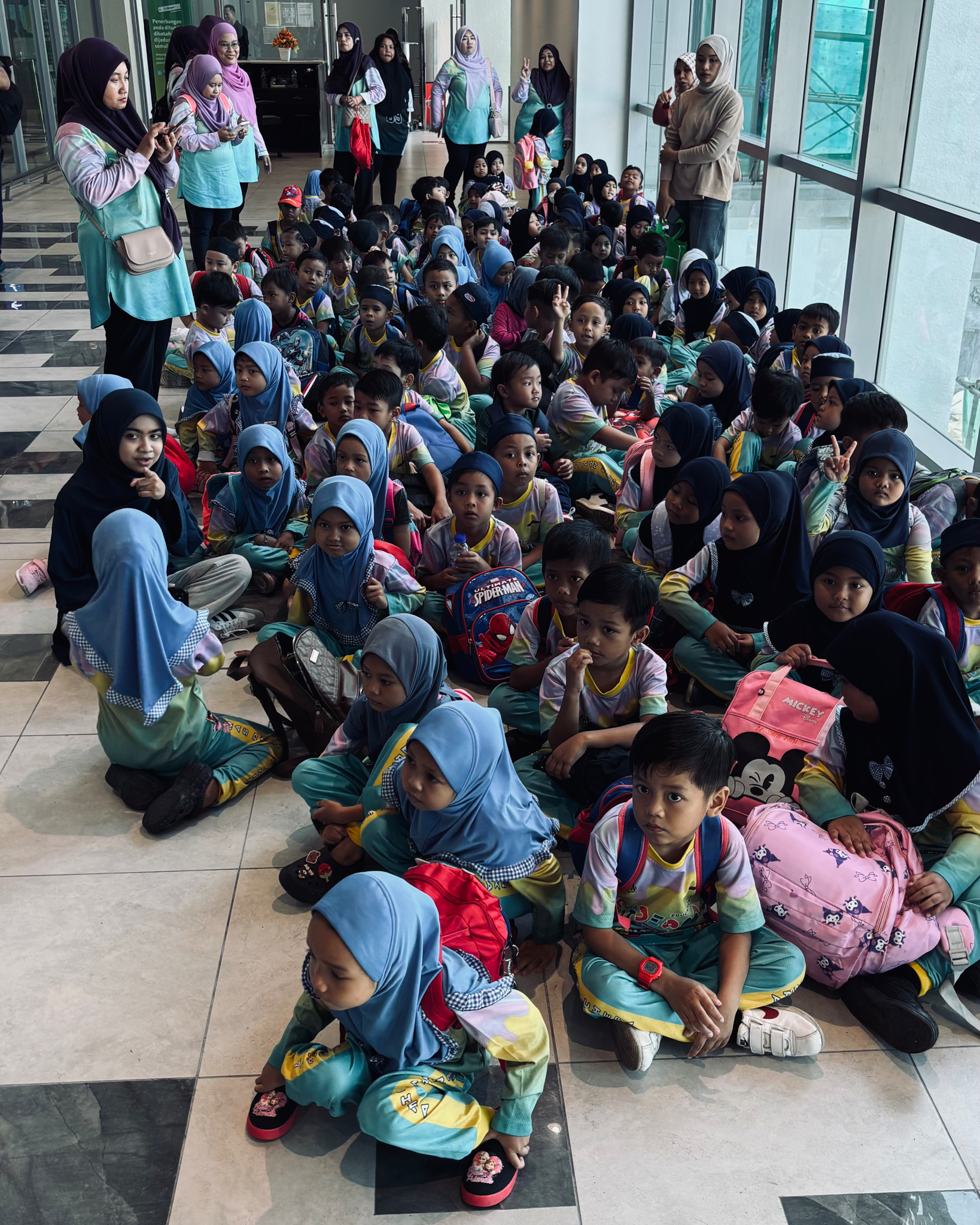
Malaysia is built on diversity. The country’s population is made up of Malays, Chinese, Indians, and Indigenous peoples — each bringing their own languages, food traditions, festivals, and values. On the street, you can hear Malay, English, Mandarin, and Tamil blending into an informal symphony of voices. It’s not unusual to see a mosque standing next to a Buddhist temple and a Hindu shrine — a visible reminder of the country’s religious richness and coexistence.
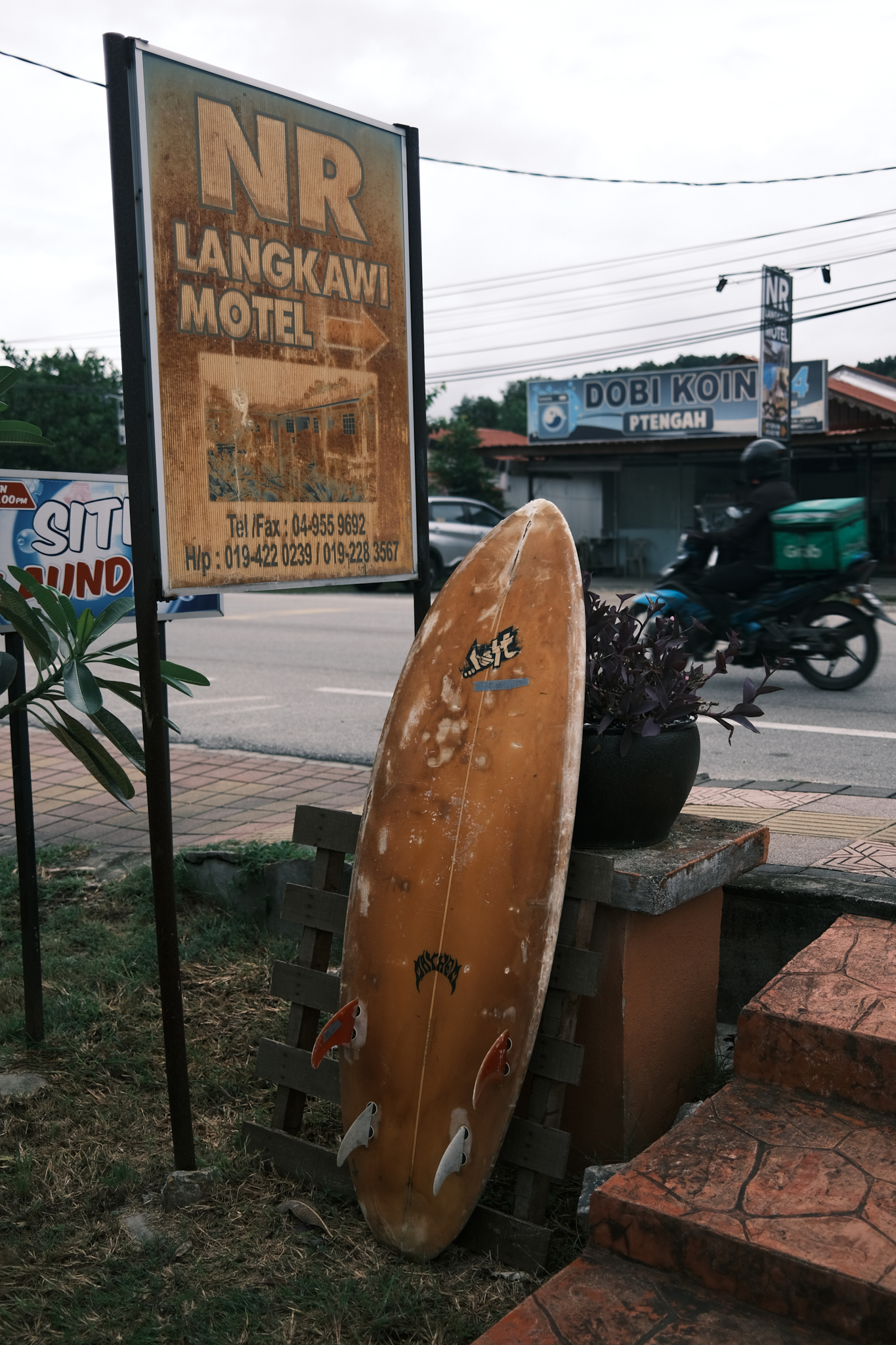
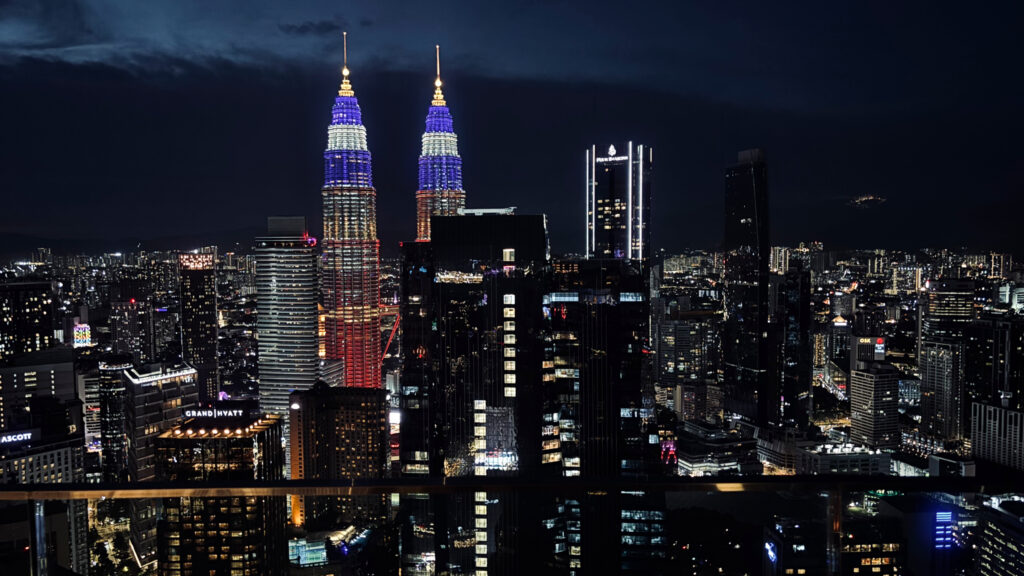
In Kuala Lumpur, modern skyscrapers rise high above the city skyline, with the Petronas Towers gleaming as symbols of economic growth and technological ambition. But just a few hours away, narrow country roads wind through rice fields and quiet villages, where daily life moves at a slower pace. Here, water buffaloes still plod through the fields, and families gather for meals in simple wooden houses. The contrast between the city’s vibrant energy and the calm of the countryside is striking — yet it feels entirely natural.
Nature in Malaysia is just as diverse as its people. The country is home to some of the world’s oldest rainforests and shelters endangered species like the orangutan and the Malayan tiger. At the same time, the landscape is marked by plantations and infrastructure — signs of industrialization and economic progress. There is a constant tension here: between preserving and developing, between the wild and the controlled.
Social life in Malaysia is also shaped by contrasts. Young Malaysians navigate social media with ease, speak English, listen to K-pop, and plan for studies abroad. At the same time, they grow up with the expectation to respect their elders, celebrate religious holidays, and follow norms deeply rooted in family and faith. Globalization is knocking — but tradition doesn’t always open the door all the way.
Malaysia is a country in rapid development, with clear ambitions of becoming a highly developed nation. Skyscrapers, new technology, and modern infrastructure all point to a country on the move. But amid the growth, there’s a strong awareness that progress isn’t just about the economy — it must be balanced with political stability, social cohesion, and a deep respect for the country’s cultural and religious diversity.
To truly understand Malaysia, one has to embrace the whole — including its contradictions. At least, that’s how I see it. Nothing here is clear-cut or simple. It’s in the tension between differences that the country finds its strength and character. Malaysia isn’t one thing — it’s many. And that’s exactly what makes it the land of contrasts, in the truest sense of the word.