The sun had scorched my neck. I soaked a small towel in cold water and wrapped it around my neck for relief. My legs and ankles were covered in bites from mosquitoes and sandflies, and blisters had spread across my size-46 feet, making it difficult to walk. Despite it all, I woke with a smile.
On the fourth day of my hike, I woke early and prepared for the final encounters with nature. The last rations of bread, honey, and peanut butter were eaten, and coffee beans were poured into the small French press. The food bag was almost empty, but I still had a few biscuits, some nuts, and enough water for the final seven to eight hours of hiking.
My backpack was once again left for pickup by Abel Tasman Aqua Taxi, which would transport it back to the headquarters in Mārahau. I slowly set out on the final stretch of roughly 30 kilometres, including detours. My legs were tired and in need of rest, and the blisters under my feet were now seriously affecting the way I walked.
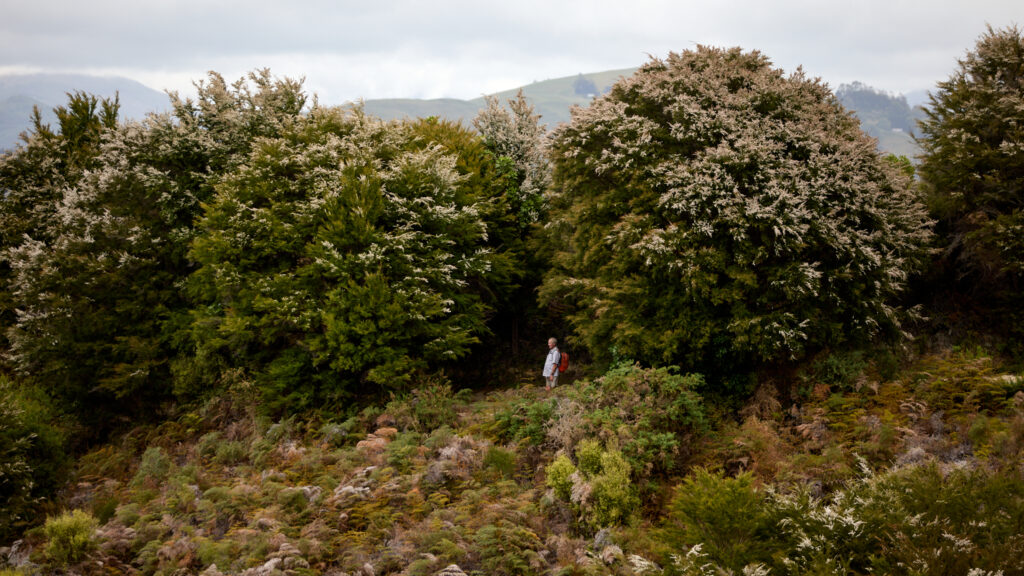
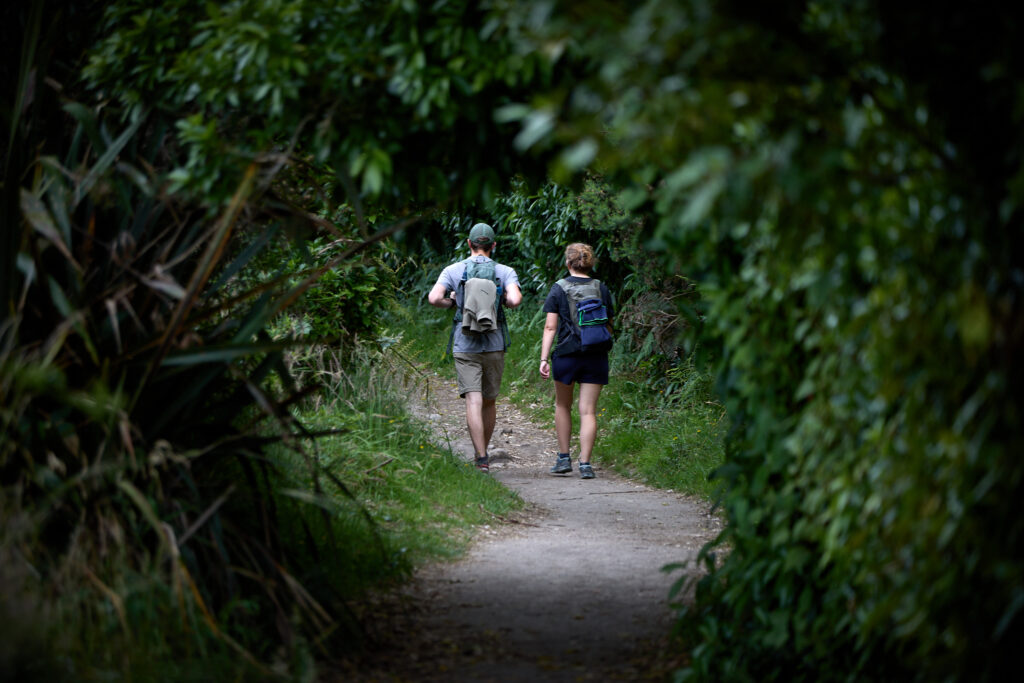
As the day went on, the landscape slowly changed character, from dense rainforest to a more open terrain with lower vegetation. The trails grew wider, and I began to encounter more day hikers, looking for just a taste of the national park—much like I had done myself 35 years earlier.
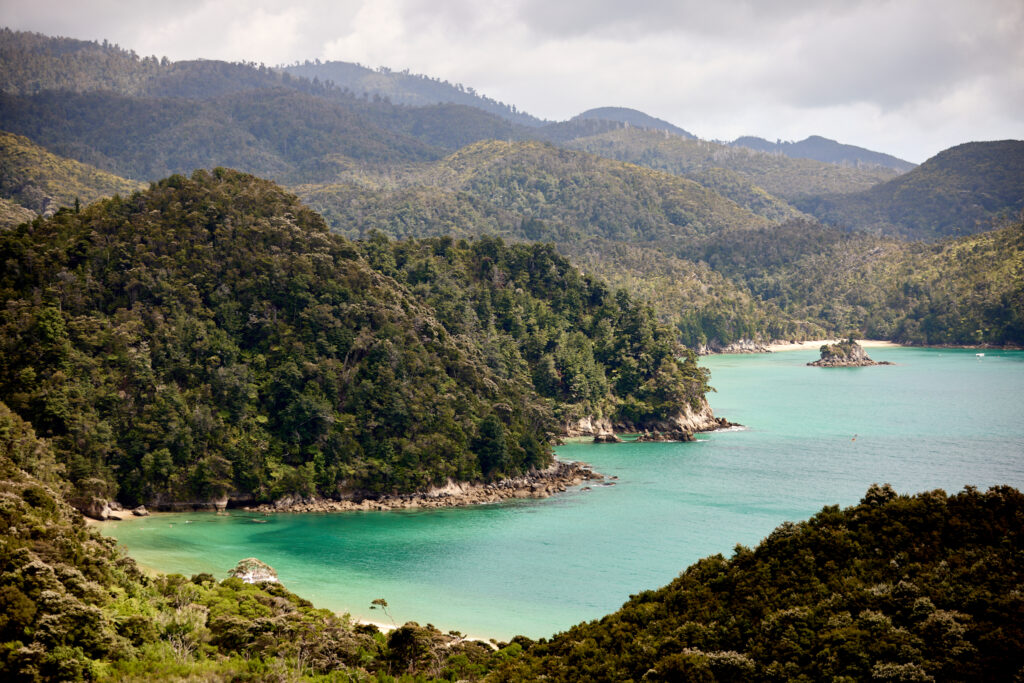
As on the previous days, the route followed the coastline, and around every bend there was the promise of a sweeping view.
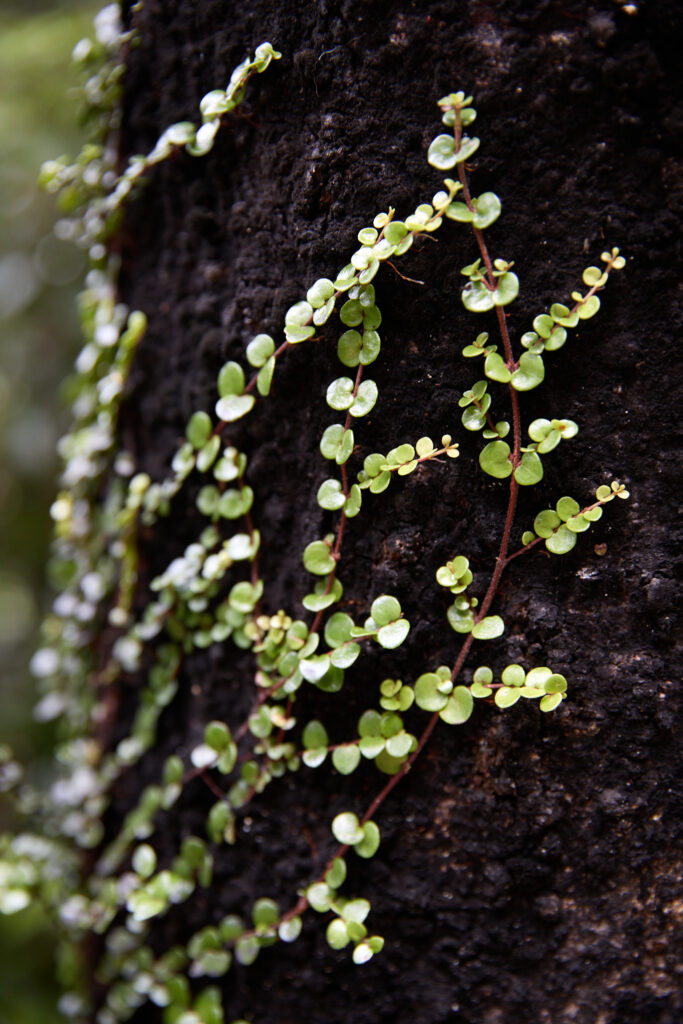
For several days I had noticed blackened trees that looked as if they had been scorched by forest fires. The surrounding trees and vegetation appeared untouched and healthy, which made a wildfire an unlikely explanation. It turned out that the dark trees were birches covered in dark lichens and fungi growing on the bark in the humid, salty coastal climate. They resemble fire damage, but the trees are healthy and the coating is entirely natural—indeed, a sign of a clean and stable ecosystem.
As I made my way through Abel Tasman, it became clear to me that what I experienced as untouched nature was, in fact, the result of sustained human care. The tracks were cleared, the bridges solid, and the forest felt alive and in balance. This was no coincidence.
Conservation work in the national park is carried out quietly and systematically. Invasive predators are controlled to make room for native birds, and forest areas are restored with indigenous vegetation while invasive plants are removed. It is a vast undertaking, requiring patience and persistent effort from staff and volunteers alike. The results can be heard in the birdsong and felt in the calm that rests over the landscape.
During the day my pace grew slower and the breaks more frequent. I found that when I focused on photographing interesting subjects, the blisters bothered me less. My legs were heavy and I was not in good shape, but I wanted to take it all in. I looked as if I had bathed in dust and mud, and I probably did not smell particularly good either. The contrast was stark compared to the well-groomed, sweet-smelling day visitors I passed on my way toward the park’s southern exit.
After nearly eights hours of walking in a truly unique national park, I stepped into Hooked Café in Mārahau like a thirsty desert wanderer who had just found water at an oasis. No more freeze-dried meals or dry bread with peanut butter. I quickly ordered a smash burger and a large cold draft beer and sat there, still dusty, with mud high up my legs. A neat, elderly Dutch couple looked at me with curiosity and asked whether I had just been walking through the park. It was hard to deny. The smile on my face had clearly given me away.