Day 1. Arrival. An Impossible Tent and Persistent Birds
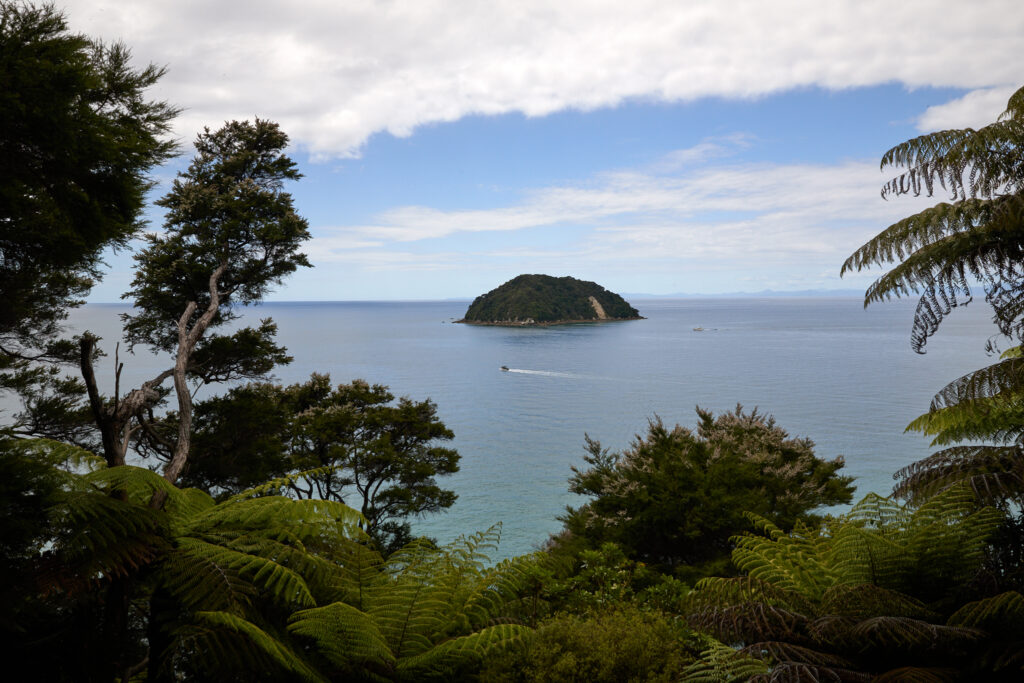
Thirty-five years ago, I caught only a fleeting glimpse of Abel Tasman National Park. Now I return to experience the landscape that has lingered in my memory since my first youthful encounter with New Zealand.
I was 19 when I travelled from Denmark to New Zealand, carrying hiking boots, a backpack, and an openness to whatever lay ahead. After a few months working on a sheep farm on the North Island, I crossed by ferry to the South Island, drawn by stories of its vast and dramatic landscapes.
Abel Tasman became my first encounter with the island’s scenery. A boat dropped me on a white sand beach in the southern part of the park, almost unreal in its beauty, and later that same day I walked back through the fern forest to my car in Mārahau. It was enough to lodge itself in my memory, but not enough to satisfy my curiosity. This time would be different. This time, I intended to slow down — and finally experience Abel Tasman in its full length and depth.
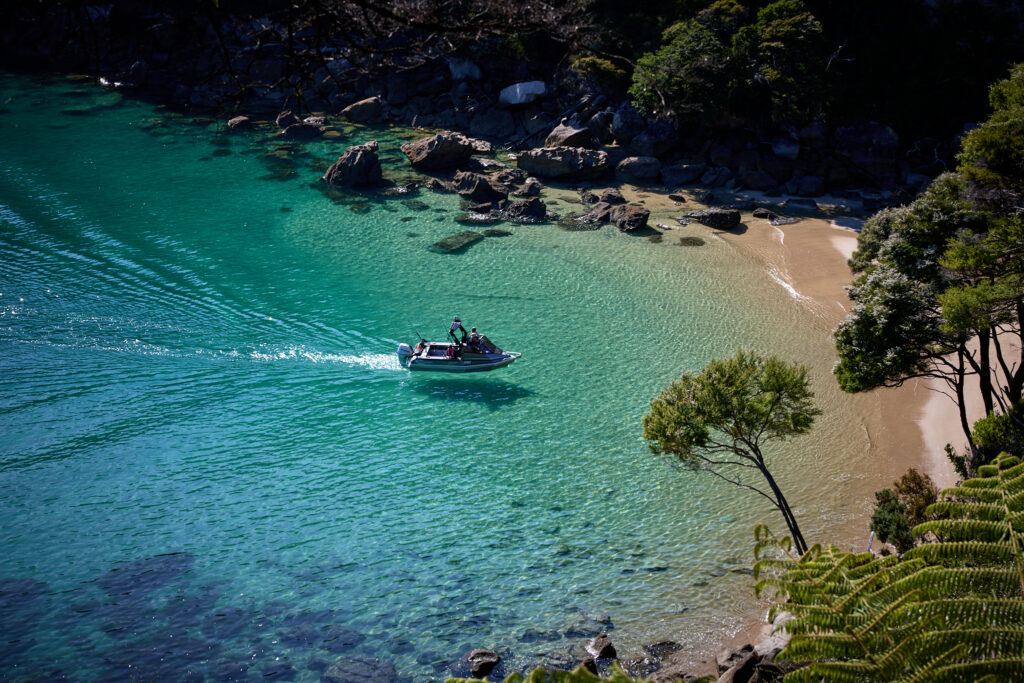
An Abel Tasman Aqua Taxi put me ashore in the northern part of the park, from where I would hike for four days through ancient forest and along pristine golden sand beaches. I was on a photographic mission and had borrowed a tent and camping gear from a good friend. The evening before, we went through the equipment, and I suggested we try pitching the tent, as I had very little experience as a camper. He looked at me, puzzled, and declined. It was, he said, “a piece of cake” and “very easy.”
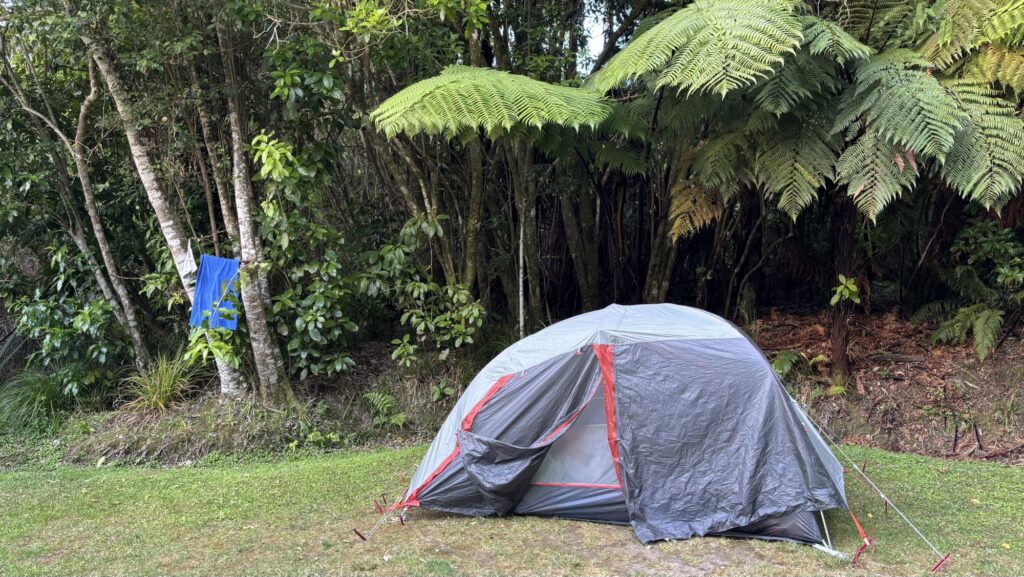
After the first day’s hike, I arrived at the campsite in Awaroa Bay. It was low tide, making it easy to take a shortcut across the bay. I was among the first to arrive and could choose my spot freely. As I unpacked my backpack, I was soon surrounded by a couple of weka birds — curious, flightless creatures about the size of chickens, resembling small dinosaurs more than birds, and entirely lacking in personal boundaries.
While I wrestled with tent poles, guy lines, and pegs that made no sense whatsoever — and were certainly not “a piece of cake” to assemble — the weka crept closer and closer. In the middle of my muttered curses, I suddenly heard pecking sounds coming from my backpack. The weka had discovered my freeze-dried meals and were already hard at work puncturing the packets.
I dropped everything and rushed over, trying to scare them off with shouts and wild gestures. I thought I did rather well, but apparently the birds were unimpressed. They barely moved, simply staring back at me with an expression that showed no trace of fear. Such disrespectful birds!
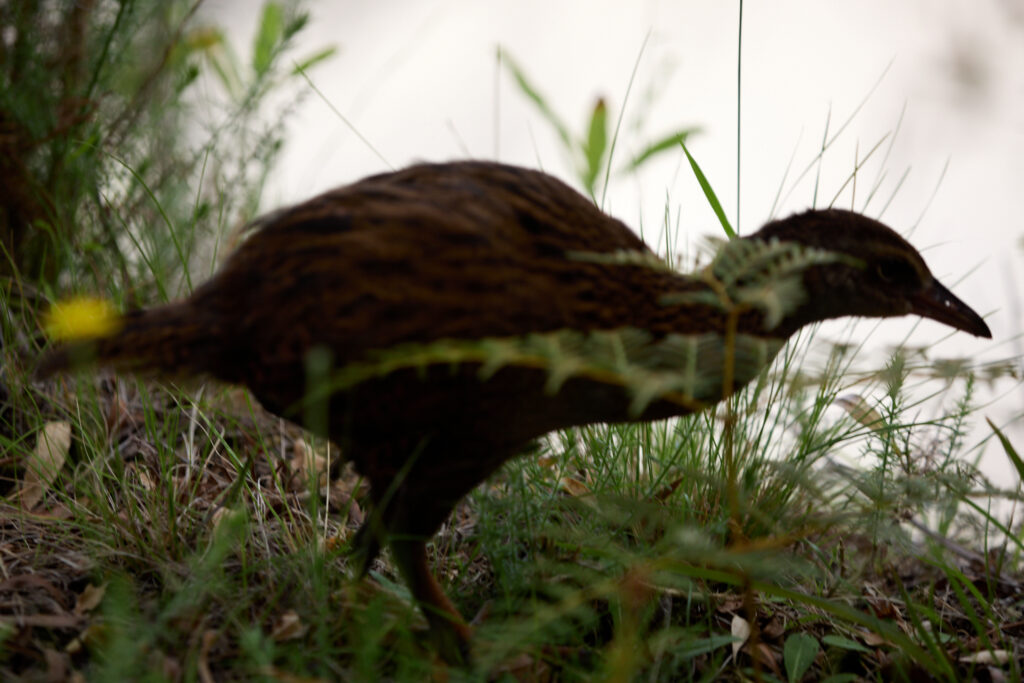
For the next half hour, I ran back and forth between a hopelessly complicated tent project and a group of stubborn birds I was trying to keep away from my dinner. The tent eventually went up — in a somewhat improvised fashion — and as the campsite gradually filled with taut canvas and perfectly tensioned guy lines, my own construction looked increasingly pathetic.
The following nights would be much better. I eventually managed to pitch the tent reasonably well, and when the wind picked up on the third day, it stood firm and secure. Take that.
With the tent finally up on day one, dinner had to be prepared before I set out with my camera to explore the area in the soft evening light. I boiled water on my small gas stove, and just as I was about to pour it into the pouch of freeze-dried chop suey, I noticed the holes left by the weka’s beaks. I cursed the birds once more for taking advantage of an inexperienced camper.
Instead, I poured the dry food into a cup and added the water there. Stir for 30 seconds, wait 10 minutes — exactly as stated on the now-perforated instructions — and dinner was ready. Well-earned, and surprisingly tasty.
Then it was off on my photo mission before the sun dipped below the horizon, and finally time to crawl into my sleeping bag.